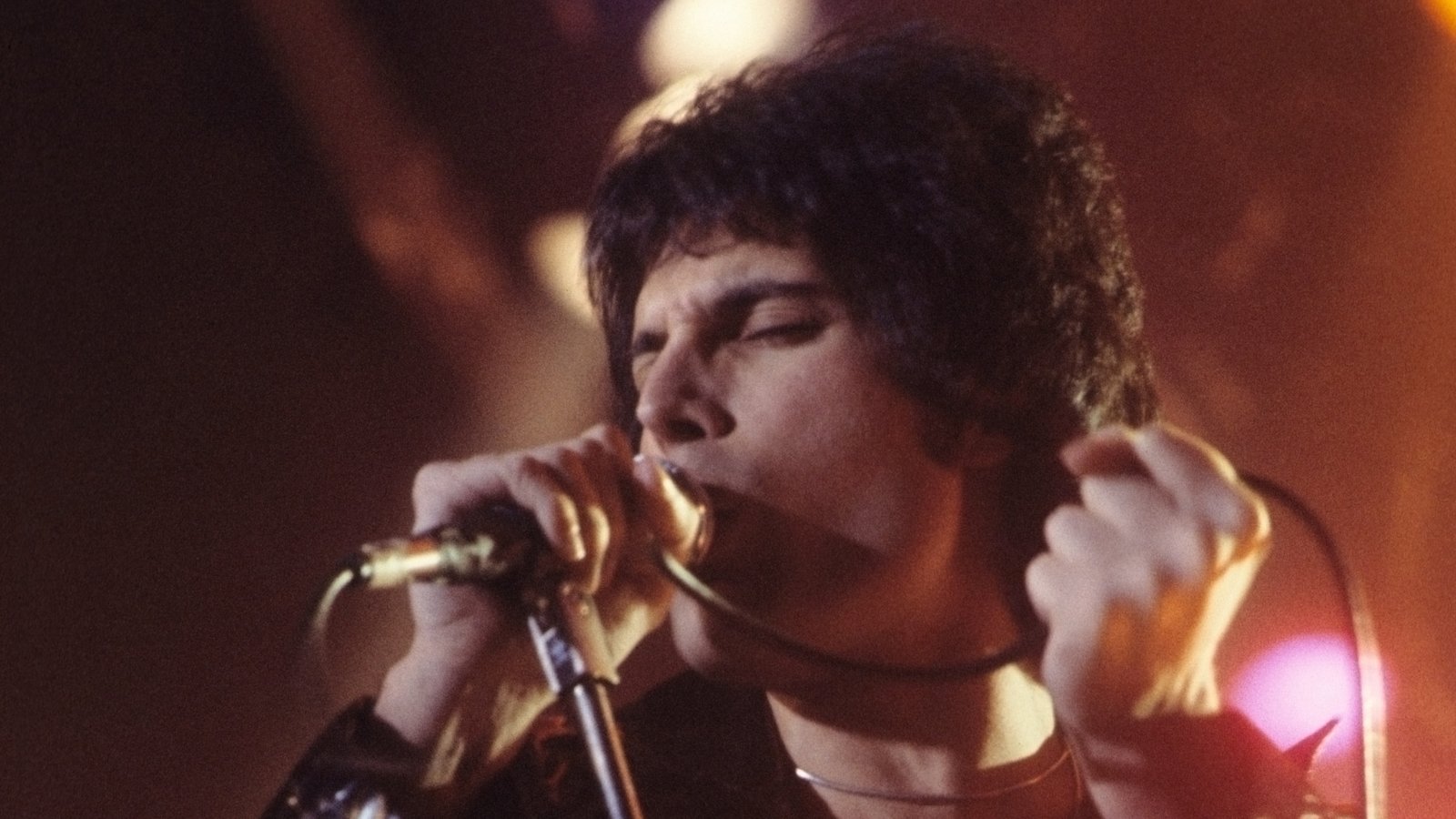
On 23 November 1991, Queen released a statement on behalf of Freddie Mercury. After years of press speculation about his health, the singer confirmed it in one plain sentence: “I wish to confirm that I have been tested HIV positive and have AIDS.” The next evening he died at his home in Kensington, London. He was 45.
The statement
Mercury had kept his illness private for years. He said he did so to protect the people around him. On 22 November he asked Queen’s manager, Jim Beach, to help him prepare a public statement. It went out the following day and ran in newspapers around the world.
He asked fans to join the fight against the disease. The cause of death, the day after, was bronchial pneumonia brought on by AIDS.
The last songs
Mercury kept working almost to the end. In May 1991 he filmed the video for “These Are the Days of Our Lives”, his final appearance on camera. It is the video above.
In December 1991, Queen reissued “Bohemian Rhapsody” as a double A-side with “These Are the Days of Our Lives”. It went to No. 1 in the UK for five weeks and became the Christmas No. 1, with the proceeds going to charity. It was the first song ever to top the UK chart twice in separate releases. The first time had been Christmas 1975.
What came next
On 20 April 1992, the Freddie Mercury Tribute Concert filled Wembley Stadium with about 72,000 people and was broadcast to 76 countries. The money raised helped launch the Mercury Phoenix Trust, set up by Queen in 1992 to fight HIV and AIDS around the world.
Thirty-five years on, the statement is still remembered for its honesty. It came at a time when many public figures stayed silent, and it put a famous face on an illness that was still badly misunderstood.
Sources
- Wikipedia: Freddie Mercury
- Smooth Radio: Freddie Mercury final statement and death, 1991
- American Songwriter: On this day in 1991, Freddie Mercury died 24 hours after announcing his diagnosis
- Official Charts: Christmas Number 1 flashback, Queen's Bohemian Rhapsody
- Guinness World Records: First single to reach No. 1 on two separate occasions (UK)